
Living in Glasgow means being part of a city that is constantly on the move. Whether you are navigating the steep hills of the West End, commuting through the busy city centre, or training for the Great Scottish Run, your body takes on a lot of daily stress. We often push through the niggles and the tight shoulders, thinking they will just go away on their own. However, there comes a point where a quick stretch in the morning isn’t enough, and that is when the search for the best massage Glasgow can provide truly begins.
It is not just about a bit of pampering or an hour of quiet time, although those are certainly welcome bonuses. For most Glaswegians, a high-quality massage is a functional necessity. It is about maintaining a body that can keep up with a demanding lifestyle. When we talk about the best massage Glasgow has to offer, we are talking about a treatment that understands the specific needs of the individual, whether that is recovering from a heavy session at the gym or undoing the damage caused by sitting at a desk for forty hours a week.
The difference between a spa day and clinical recovery
One of the biggest realisations people have when looking for a treatment is that not all massages are created equal. You might be tempted by a fancy hotel spa with scented candles and soft music, and while that is great for a temporary escape, it might not address the underlying muscular issues you are facing. To find the best massage glasgow residents can access for genuine physical improvement, you often need to look towards clinical environments where the therapists have a deep understanding of anatomy and physiology.
Clinical or remedial massage focuses on results. It is about identifying why your lower back is aching or why your neck feels restricted. The best practitioners in the city will take the time to talk to you about your lifestyle before you even get on the table. They want to know about your exercise habits, your sleep patterns, and even how you sit at your computer. This holistic approach is what separates a generic service from a truly professional one.
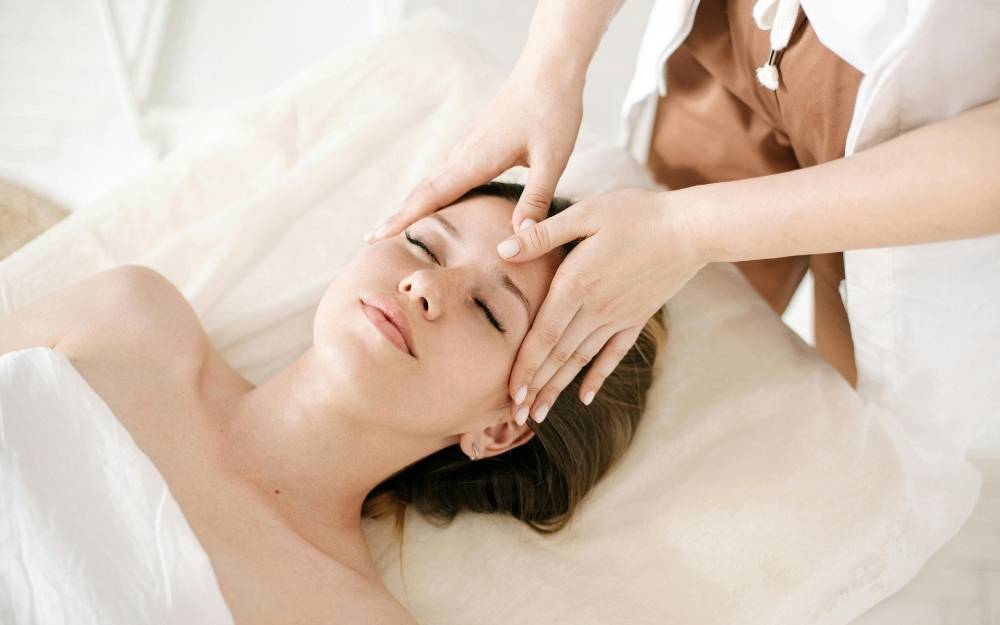
Common types of massage you will find in the city
- Sports Massage: Not just for athletes, this is a deep, targeted treatment designed to reduce muscle tension and improve flexibility.
- Deep Tissue Massage: This focuses on the deeper layers of muscle and connective tissue, making it ideal for chronic aches and pains.
- Swedish Massage: A more relaxing option that uses longer strokes to improve circulation and reduce general stress levels.
- Remedial Massage: A therapist uses specific techniques to treat a particular injury or condition, often involving a bit of assessment and testing.
What to actually look for in a Glasgow massage therapist
When you are scrolling through dozens of options online, it can feel overwhelming. Everyone claims to be the best, but how do you actually know? A good starting point is to look at the qualifications and the focus of the clinic. In a city like Glasgow, with its rich sporting history and active population, many of the top therapists have backgrounds in sports science or physiotherapy. This expertise ensures that they aren’t just rubbing your skin, but are actually manipulating the soft tissue in a way that promotes healing.
Another factor is the environment. While you don’t need gold-plated taps, the clinic should be clean, professional, and welcoming. You want to feel like you are in safe hands. The best massage Glasgow clinics tend to have a reputation built on word-of-mouth. Glaswegians are notoriously honest; if a service is bad, you will hear about it, but if a therapist manages to fix a long-standing shoulder problem, they will have a client for life.
The physical and mental benefits of regular treatment
We often think of massage as a reactive measure—something we do only when we are already in pain. However, the real value comes from proactive maintenance. Regular sessions can help prevent injuries before they happen by keeping the muscles supple and ensuring that the joints have a full range of motion. This is particularly important for those of us who spend a lot of time in the gym or out on the local football pitches.
Beyond the physical benefits, there is a significant mental health aspect to consider. Glasgow can be a grey and rainy place at times, and the stress of urban living can manifest physically in the body. Taking an hour out of your schedule to focus entirely on your physical wellbeing can have a profound effect on your stress levels. It lowers cortisol, the body’s stress hormone, and encourages the release of endorphins, leaving you feeling much more capable of handling whatever the week throws at you.
Signs you should probably book a session today
- You are experiencing persistent headaches that seem to start at the base of your neck.
- Your range of motion has decreased, making it harder to reach for things or check your blind spot while driving.
- You are finding it difficult to recover after exercise, with muscle soreness lasting longer than usual.
- You have a sedentary job and have started to notice a permanent ‘slouch’ in your posture.
- You are feeling generally ‘tight’ or ‘wound up’ and find it hard to physically relax in the evenings.
How to get the most out of your appointment
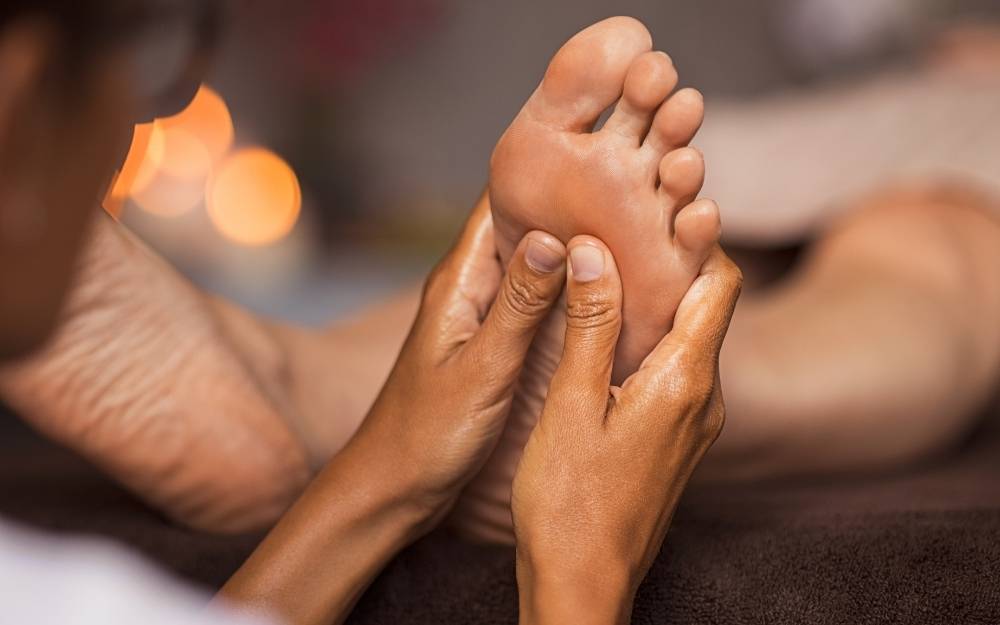
To ensure you are getting what you paid for, it is important to be an active participant in your treatment. Communication is key. If the pressure is too much, or not enough, you must speak up. A professional therapist will always appreciate the feedback because their goal is to provide the most effective treatment possible. They aren’t mind readers, and everyone’s pain threshold is different.
After your massage, you might feel a bit tender, especially if you opted for a deep tissue or sports massage. This is perfectly normal and is often referred to as ‘treatment soreness.’ It is the body’s response to the manipulation of muscles that might have been tight for months or even years. Drinking plenty of water after your session is essential, as it helps to flush out the metabolic waste products released from the muscles during the treatment.
It is also worth asking your therapist for ‘homework.’ The best massage Glasgow practitioners will often give you a couple of simple stretches or advice on your desk setup to help maintain the benefits of the massage once you leave the clinic. This collaborative approach ensures that you aren’t just relying on the therapist to ‘fix’ you, but are also taking steps to improve your own long-term health and comfort.
Understanding the long-term impact on your lifestyle
When you finally find a clinic that works for you, it changes your perspective on health. You stop seeing pain as something you just have to live with and start seeing it as something that can be managed and improved. Whether you are a professional athlete, a busy parent, or someone who just wants to walk around Kelvingrove Park without their knees aching, the right massage can be a complete game-changer.
Consistency is often the missing piece of the puzzle. While a one-off massage will certainly make you feel better for a few days, a planned schedule of treatments can lead to permanent improvements in posture and performance. Many people find that a monthly ‘tune-up’ is enough to keep the worst of the tension at bay and keep them moving freely. In a city as vibrant and active as Glasgow, staying mobile and pain-free is the best way to ensure you can enjoy everything the city has to offer, from the nightlife to the great outdoors.

Ethan Cole focuses on the dynamics of building and sustaining thriving bars. His writing covers topics such as mixology, staff development, and strategies for enhancing the overall atmosphere and profitability of hospitality businesses.